
Fiber Cement Siding vs. Vinyl Siding: Which One Is Right for Your Pennsylvania Home?
July 30, 2026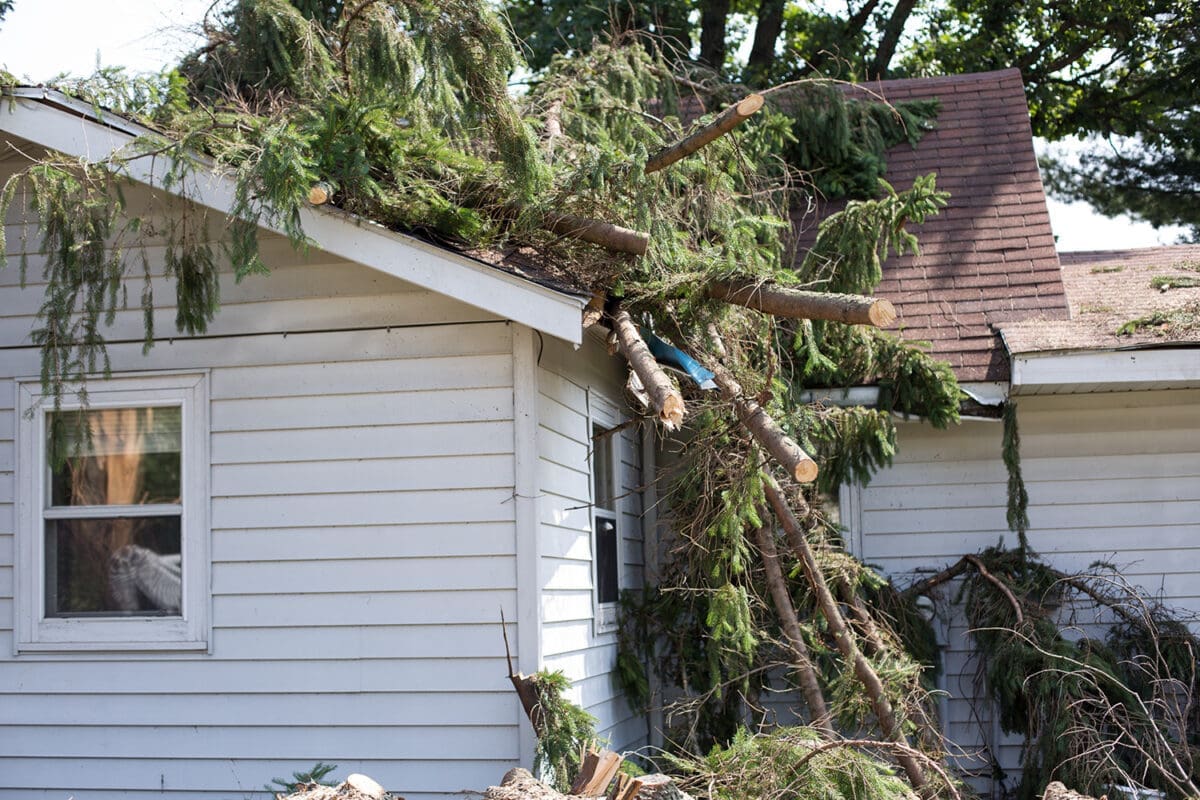
If you’ve ever stared at your ceiling after a storm and wondered whether your homeowner’s policy will actually pay to fix your roof, you’re not alone. Navigating roof insurance claims in Pennsylvania can feel like learning a second language, and making the wrong move early in the process can cost you thousands.
This guide is here to cut through the confusion. Whether you’re dealing with hail damage, wind damage, or a roof that’s seen better days, here’s what you need to know before you call your insurance company, what qualifies for roof damage insurance coverage, and what could get you denied.
What Pennsylvania Homeowners Insurance Typically Covers
Your homeowner’s insurance policy is built around something called covered perils, which are the specific causes of damage your policy agrees to pay for. In Pennsylvania, most standard policies cover sudden, storm-related damage, including:
- Wind damage from nor’easters, thunderstorms, and strong seasonal gusts
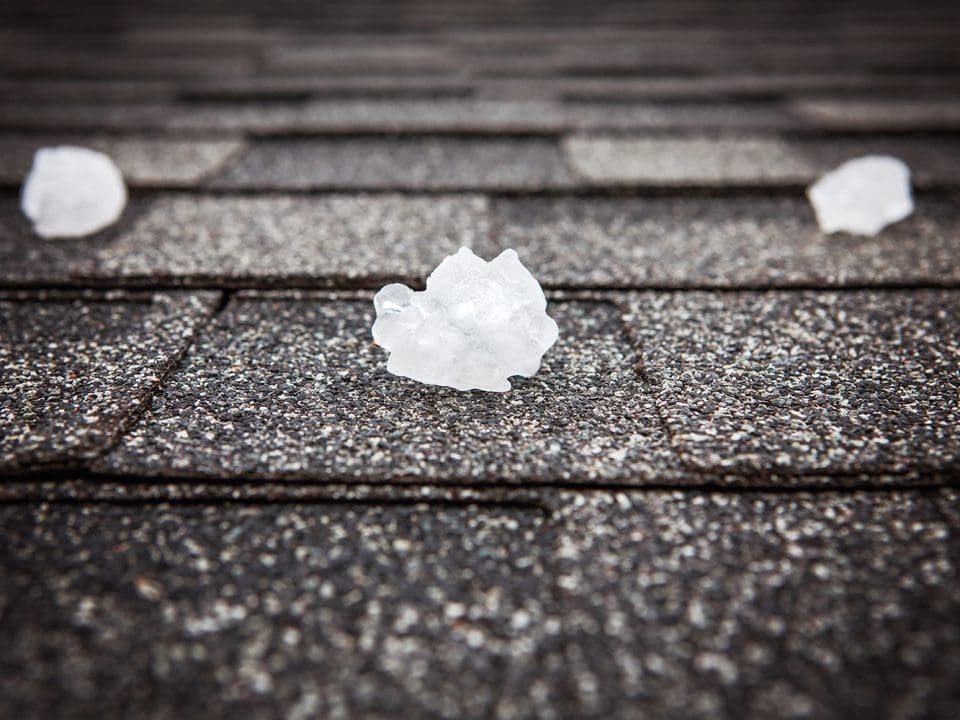
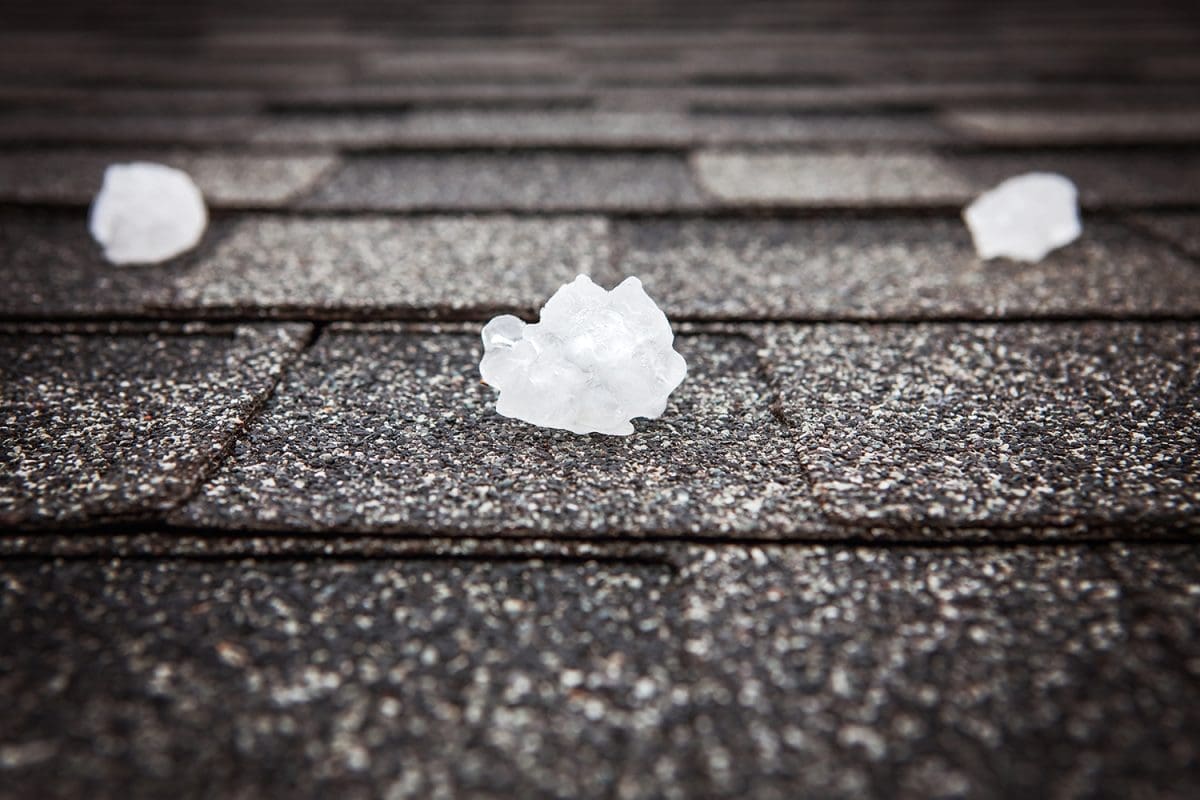
- Hail damage that cracks or bruises shingles and compromises their protective granules
- Falling objects like tree limbs brought down by a storm
- Ice dams in some cases, depending on your policy language
- Fire or lightning strikes
If your roof was damaged by one of these events, you have a strong starting point for a claim. The key word is “sudden.” Insurance companies look for a clear cause tied to a specific event, not gradual deterioration over time.
What Gets Denied (and Why)
Here’s where many homeowners get caught off guard. Even if you’re dealing with a serious leak or missing shingles, your insurance claim can still be denied if the damage stems from:
Wear and tear. This is the most common reason claims get rejected. If your roof is 20-plus years old and the shingles are curling, cracking, or losing granules from age, that’s considered normal wear and tear under most policies. Insurance is designed to cover accidents, not maintenance.
Neglect or improper installation. If an adjuster determines that the damage could have been prevented with regular upkeep, or that a previous repair was done improperly, your claim may be partially or fully denied.
Pre-existing damage. If damage existed before your policy took effect, or before the storm you’re now trying to claim, the insurer can push back.
Cosmetic damage only. Some policies in Pennsylvania include cosmetic damage exclusions, meaning surface-level hail marks that don’t affect performance may not qualify for a payout.
Understanding these distinctions before you file is essential. A denied claim doesn’t have to be the end of the road, but it’s much harder to fight after the fact.
How a Hail Damage Roof Claim Actually Works
Filing a hail damage roof claim involves more steps than most homeowners expect. Here’s a simplified version of what the process looks like:
- Document the damage immediately. Take photos and videos after the storm, noting the date and time.
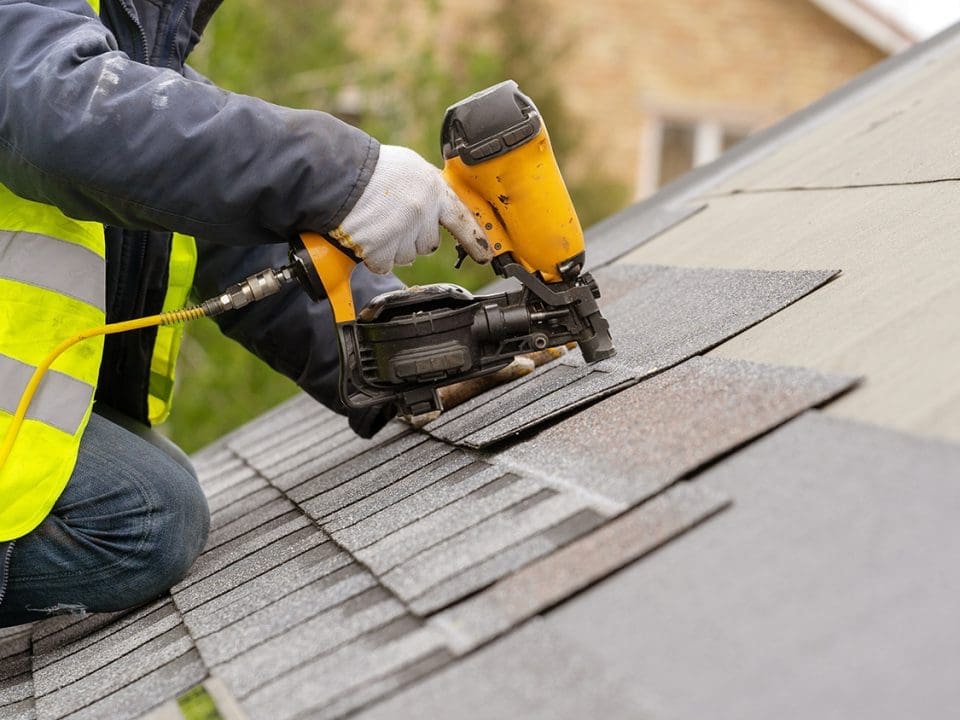
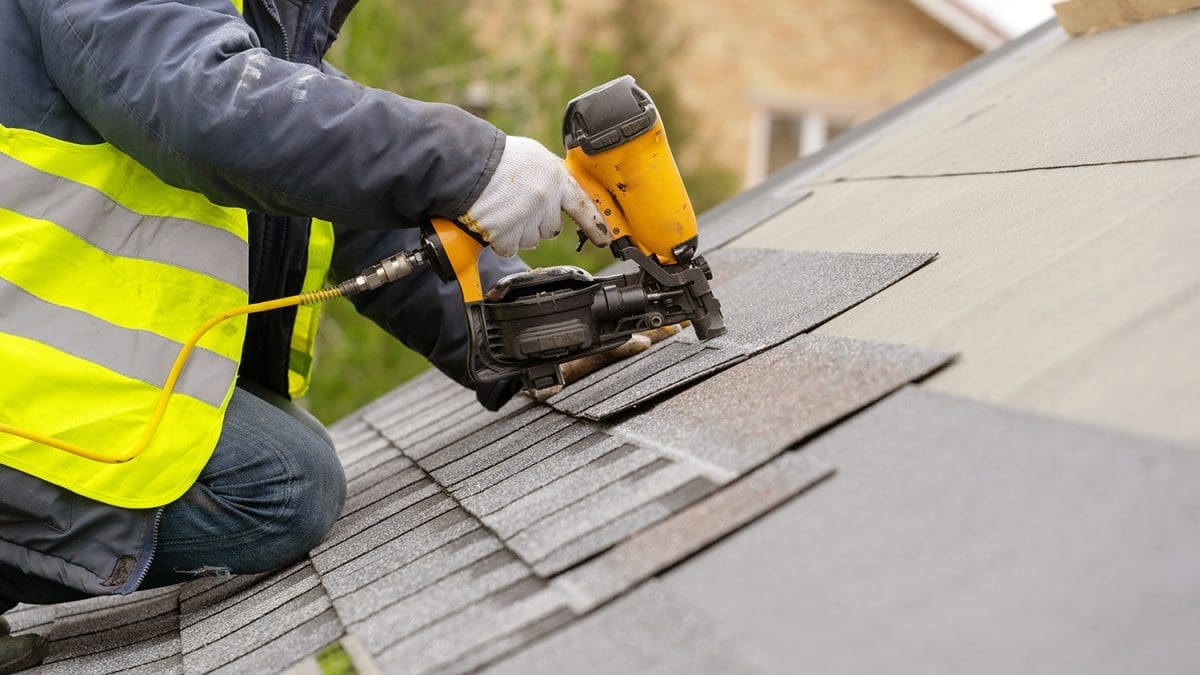
- Request a roof inspection. A qualified roofing contractor can identify hail impact points, granule loss, and structural damage that you might miss from the ground.
- File your claim promptly. Most Pennsylvania policies require you to report damage within a reasonable timeframe. Waiting too long can complicate things.
- Meet with the adjuster. Having your roofing contractor present during the adjuster’s inspection is one of the smartest moves you can make. They can walk through the damage together and make sure nothing gets overlooked.
- Review the estimate carefully. The insurer’s initial estimate may not always capture the full scope of the work needed, so go over every line before you sign off.
At Green Rhino Builders, we work alongside homeowners during the claims process to help make sure the damage is documented thoroughly and accurately. We don’t file claims for you, but we do help you understand what you’re looking at and what your contractor scope should include.
Insurance Roof Replacement vs. Repair: How That Decision Gets Made
One of the most important questions your adjuster will answer is whether your situation calls for a full insurance roof replacement or just a patch repair. That decision usually comes down to:
- The percentage of the roof that’s damaged
- The age and condition of the existing materials
- Whether matching materials are still available
- Local building codes that may require a full replacement once damage reaches a certain threshold
The repair or replace question isn’t always straightforward. In Pennsylvania, local code upgrades can sometimes tip the scales toward full replacement even when damage looks limited. This is worth discussing with your contractor before the adjuster visit.
Replacement Cost Coverage: Know What You Have
There are two main types of replacement cost coverage in homeowner’s policies:
Actual Cash Value (ACV): Pays out the depreciated value of your roof based on its age. If your 15-year-old roof had a 20-year lifespan, you may only receive a fraction of what a new roof actually costs.
Replacement Cost Value (RCV): Pays the full cost to cover roof damage with materials of similar kind and quality, minus your deductible. This is the coverage you want.
If you’re not sure which type of coverage you carry, now is a good time to review your policy before you ever need to use it.
Tips for Stronger Roof Insurance Claims
A few things you can do to support your roof damage insurance coverage case:
- Keep records of any maintenance or previous repairs with photos and receipts
- Have your roof inspected annually to demonstrate upkeep
- Know your deductible before you file, since claims just above your deductible may not be worth pursuing
- Work with a local roofing contractor who understands Pennsylvania-specific storm patterns and adjuster expectations
- Keep in mind that storm damage often affects more than just your roof. If your siding took a hit too, document that separately and explore your options
Small habits like these can make a real difference when it’s time to file. Adjusters look for evidence that your roof was cared for, and homeowners who can show that tend to have smoother, faster claims experiences. If you’re not sure where your roof stands right now, a professional inspection is the simplest place to start.
Ready to Turn Storm Damage Into a Covered Repair?
Filing roof insurance claims for storm damage is stressful enough without trying to decode policy language on your own. Whether you’re trying to determine if your damage qualifies, preparing for an adjuster visit, or weighing your insurance roof replacement options, Green Rhino Builders is here to help.
We’ve helped homeowners across Northeastern Pennsylvania navigate storm damage situations, and we bring that experience to every inspection. We’re GAF Master Elite certified, locally trusted, and ready to walk you through exactly what we find, no pressure, no guesswork. Contact Green Rhino Builders today to schedule your roof inspection and get a free estimate.